
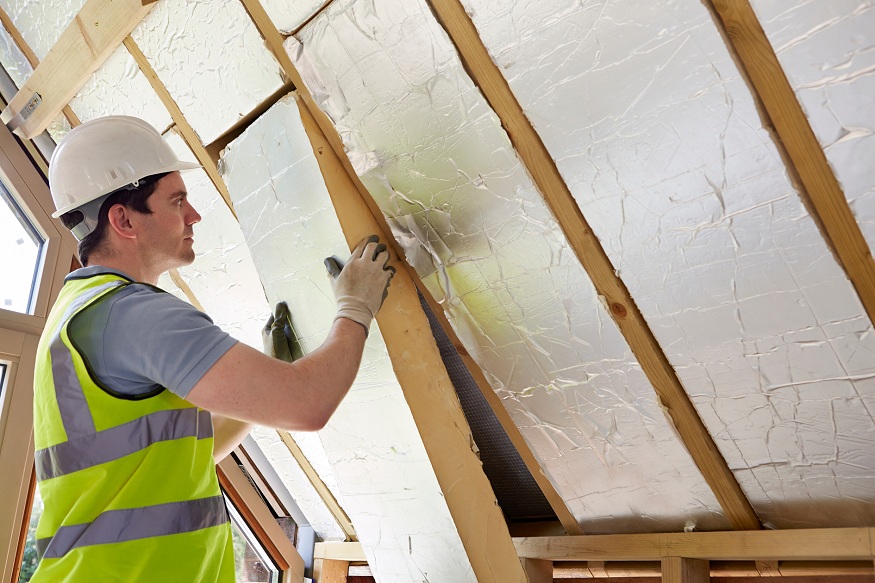
Walk onto any construction site today and you’ll notice something different about the insulation choices. Fiberglass batts used to be everywhere. So did blown cellulose. But contractors across America have questioned whether these materials still make sense for today’s buildings. Energy codes keep getting tougher. Furthermore, homeowners are prioritizing reduced utility expenses. Many are also highly focused on indoor air quality now. These elements motivate builders to seek materials that offer superior performance over those that merely meet basic standards.
What’s Driving the Change
Labor has become a real headache for contractors. Good crews are hard to find, which means every material choice needs to save time on the job site. Nobody wants callbacks either. Fix one moisture problem and two more pop up somewhere else with traditional insulation. Here’s what happens with fiberglass: water vapor passes right through it. Cellulose? It settles and leaves gaps after a few years. Both problems eat into profits and wreck reputations.
Read More: Legal Documents Required for Mainland Setup in Dubai
Newer materials solve many of these headaches. Foam boards create solid barriers. Spray applications fill every crack and corner. Some products now include recycled content, which helps with green building certifications. Others break down naturally at the end of their life cycle. Buyers notice these things.
Understanding Modern Alternatives
Progressive builders have taken notice of expanded polystyrene for a valid reason. The material repels moisture, maintains its R-value, and insulates where others don’t. Manufacturing has also advanced greatly. Epsilyte produces specialized EPS formulations that tackle the pros and cons of EPS insulation for roofing and basements, two areas where water resistance and load-bearing capacity really count.
Contractors who switch to EPS are often surprised by how many ways they can use it. Need insulated concrete forms? EPS handles that. Want structural insulated panels? The same material works there. Below-grade walls facing constant moisture and soil pressure? EPS manages those conditions without breaking a sweat. Polyisocyanurate and extruded polystyrene each have advantages for specific scenarios. The correct foam choice is contingent on the task at hand. Cookie-cutter approaches don’t work anymore.
Real Benefits Builders Are Seeing
Speed changes everything on a job site. Rigid boards go up fast. No fussy cutting around every outlet and pipe like with batts. Spray foam? Even faster. It expands into weird spaces and seals them completely. Crews wrap up insulation work in half the time, then move to their next project. Modern materials stay put once installed. It won’t sag, settle, or compress when exposed to moisture. Contractors can be confident that their projects are durable. Happy clients result in fewer warranty issues and more referrals.
Air sealing was once a multi-step, multi-product process. Now foam insulation handles air barriers, vapor control, and thermal resistance all at once. One product, one installation, multiple problems solved. That simplicity translates to profit.
Conclusion
Progress in construction may be gradual, but there’s a growing trend towards improved insulation techniques. Manufacturers take feedback from the field and modify their products accordingly. New training programs help installers master techniques. Yes, some modern insulation costs more upfront. But factor in faster installation, fewer callbacks, and customers who rave about their comfortable homes. The math starts looking pretty good. Builders who run the numbers on total project costs often find themselves converts.
Read More: Unwinding the Ledger: How to Handle Corporate Debts and Liabilities During Dissolution
America’s building industry is at a pivotal point. Builders embracing new materials stand out from those using traditional methods. These buildings are designed for reduced energy consumption. They enhance durability and optimal comfort in both hot and cold seasons. The conversation has shifted. Nobody asks whether to consider insulation alternatives anymore. They ask which option fits their next project. That’s progress worth noting.