
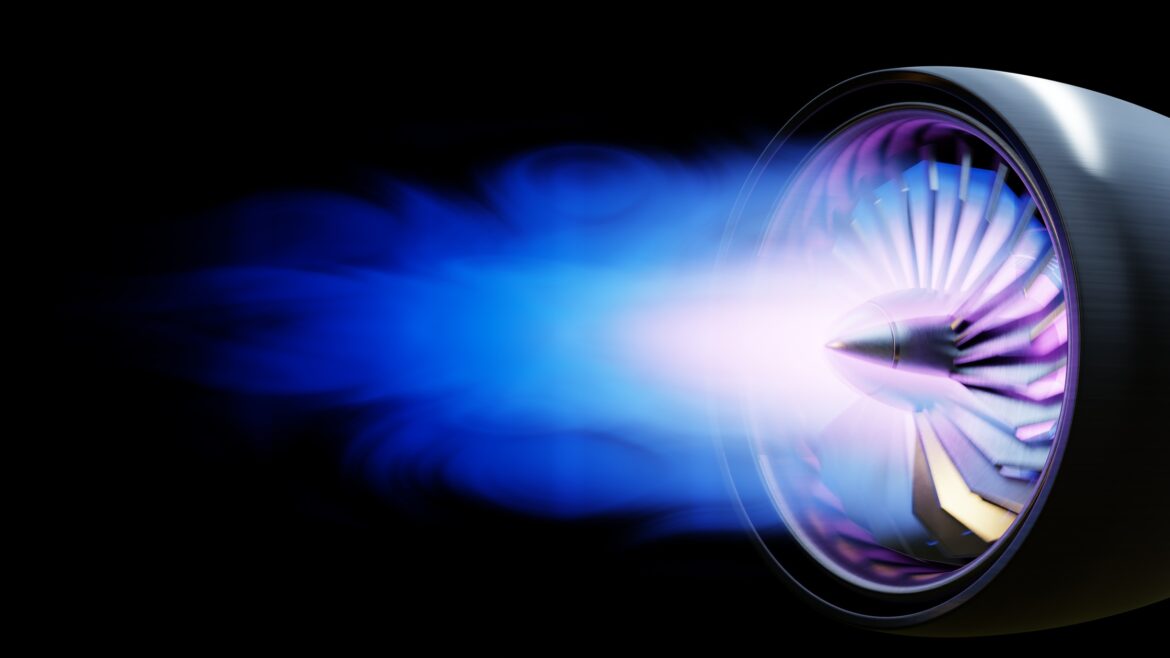
Heat pushes back. Every aircraft and rocket has to face it, and no material stays cool under fire forever. Engineers spend years working out how hot a part can get before it stops doing its job. That limit always shows up eventually. When a material finally hits it, things can go wrong in a hurry. Here is what actually happens when aerospace parts run out of room to handle the heat.
The Slow Slide Toward Failure
Materials seldom quit in one big moment. They soften first. A metal that felt rock solid starts to give as the temperature creeps higher. It may sag or stretch under a load it used to shrug off. Let the heat keep coming and cracks show up. Push it further and the thing can melt outright.
Read More: Open a Demat Account and Use a Brokerage Calculator to Cut Hidden Trading Costs
A bent paperclip tells the same story in miniature. Work it back and forth, and it warms, weakens, then snaps. Aerospace parts follow that path too. The problem is that a soft spot on an engine or a nozzle can turn deadly thousands of feet up.
Why Metals Hit a Wall
Strong metals and superalloys carried this industry for a long time. They ran jet engines. They lifted spacecraft off the pad. Nobody questions what they pulled off. Even so, every one of them has a ceiling. Faster planes and hotter engines reach that ceiling sooner. Metals are incredibly heavy, and that extra weight causes a downward pull. Planes that weigh more require more fuel and incur higher costs for flight. That reality prompted engineers to search for a heat-resistant alternative that was less bulky.
Composites Change the Math
Modern composite materials step in right there. A composite combines multiple elements to create something superior to its individual parts. Some of them hardly react to temperatures that would destroy regular metal. Ceramic matrix composites, or CMCs, are at the top of this collection. At over 2000°F, they remain tough and much lighter than metal. This pairing renders them an excellent choice for jet engines, spacecraft, and hypersonic vehicles capable of extremely high speeds.
Skilled ceramic matrix composites manufacturers like Axiom Materials keep nudging that bar higher. They develop advanced formulas that let parts perform where conditions get brutal. Their work hands engineers the room to build machines that fly faster, last longer, and stay safe once the heat climbs.
Testing Before Trusting
No material flies until it earns the seat. Engineers crank samples up to extreme temperatures and watch what happens. They look for cracks, for warping, for any spot that seems shaky. Then they stack on pressure and stress at once to see how the material holds. This step is more important than most people think. A minor flaw can become a complete failure once a part is in use. Addressing ground vulnerabilities prevents aerial threats. Every round of testing makes the next design sharper.
Where Flight Goes Next
Aerospace keeps chasing bigger goals. Reusable rockets. Faster jets. Vehicles that graze the edge of space. All of it rests on materials that can survive real punishment from heat. New composites open doors that metal keeps locked. They give designers space to throw out old rules. With parts that come lighter and tougher at the same time, the ceiling just keeps rising.
Conclusion
Every material meets its thermal limit sooner or later. When that day arrives, parts soften, warp, and finally give out. Metals earned their place for decades, yet they cannot match what aerospace demands today. Advanced composites, and ceramic ones most of all, now shoulder the load. With sharp engineering and hard testing behind them, the machines rolling out next will fly higher, faster, and safer than anything before.
Read More: How Supply Chain Reliability Impacts Chemical Performance